

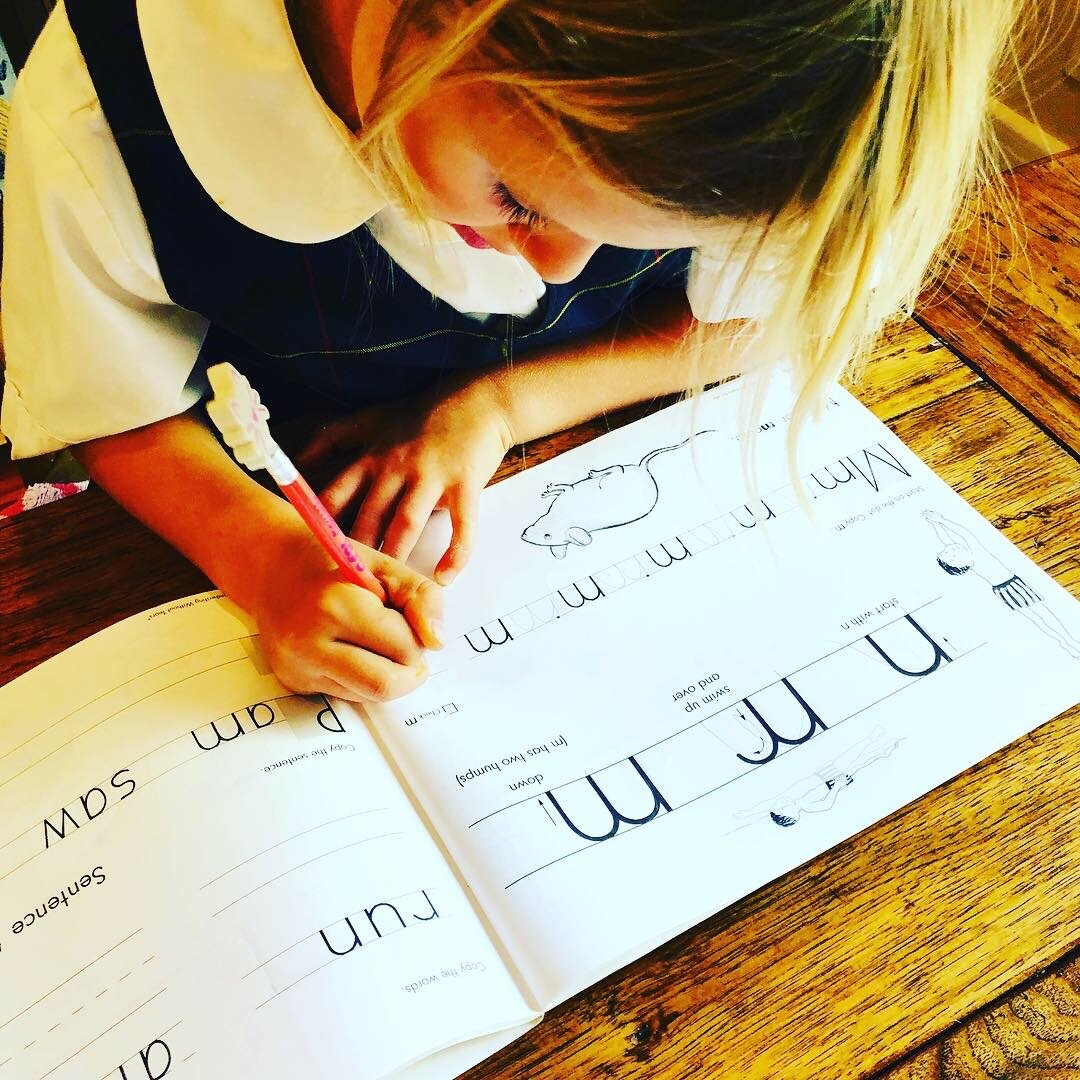


During the past month of December, I had so much fun putting together a holiday gift guide over on my Instagram feed. Not only did it get me thinking about our favorite activities here at home, but I also dug through my therapy bag for my go-to items. I love sharing these items and games and their developmental benefit so more and more of you, and your children, can enjoy them! I have decided to put them all together on this post so you can refer back to it in case you ever need a birthday gift or holiday gift idea!
Have fun reading along!!!
I hope you enjoy these favorites as much as we do!!!
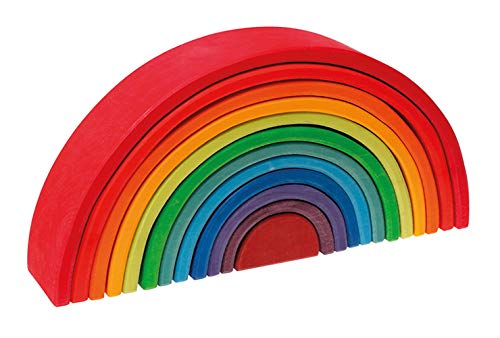
These Grimm’s rainbows are such a show-stopper! Not only are they beautiful, this is a toy you will want to keep forever. It can be used in so many different way from stacking, to a road for cars, to a swing for dolls. This is certainly one to pass on to generations!
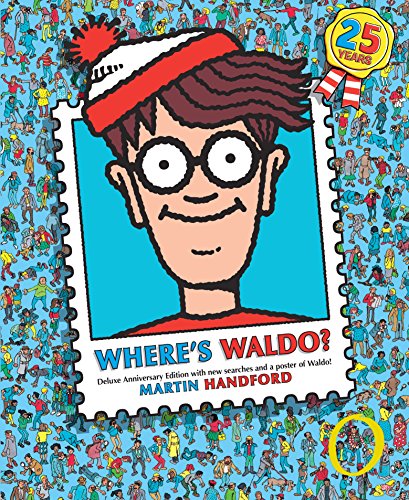
Where’s Waldo is one of my absolute go-tos to work on visual perceptual skills. It is so fun for children to search for Waldo in this classic book. It works on figure-ground discrimination which is an important skill children use in school daily when they are reading, completing math problems, or searching for something in their desk or background.
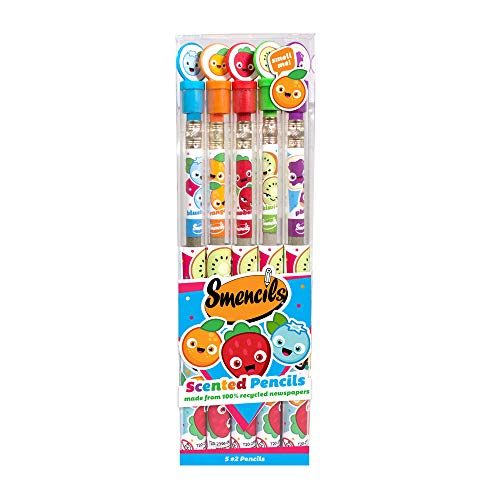
Smencils are a favorite in my therapy bag. Children love using these for writing! Different scents can be stimulating for children (and also noxious to others). You have probably smelled something that brought back memories. Research has linked smells and memory due to the proximity of receptors to the amygdala and the hippocampus (our emotional and memory centers of the brain) which can be an added benefit if children are working on spelling words with a smelly pencil and then use it again for their spelling test!
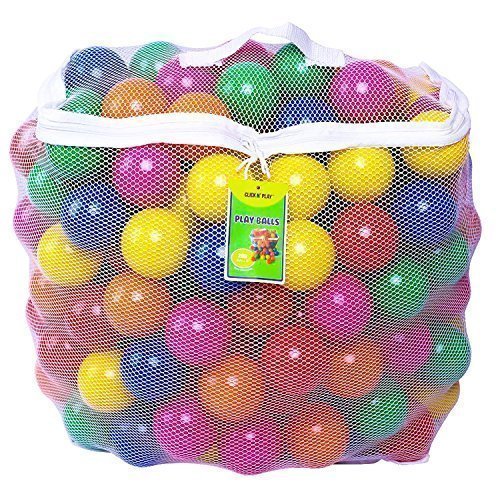
These ball pit balls can be used for such a wide range of ages. I first bought some for my daughter at 5 months of age and we filled a laundry basket with them for a mini ball-pit for her. We have used them for 5 years now in a plastic swimming pool on a rainy day, in the bathtub, in a bounce house, for rolling games and color recognition, and bounced them on a parachute! These are also super easy to wash in a front-loading washing machine to keep them sanitary!
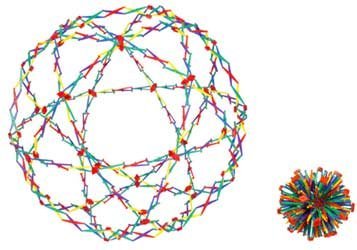
This Hoberman Sphere can still be found at toy stores and is so meditative to play with. We have ours in our “calming basket.” It is also a fun toy for a car ride. We love playing catch with this and there are even instructions on how to make some pretty complex shapes with it (which I haven’t quite mastered yet!)
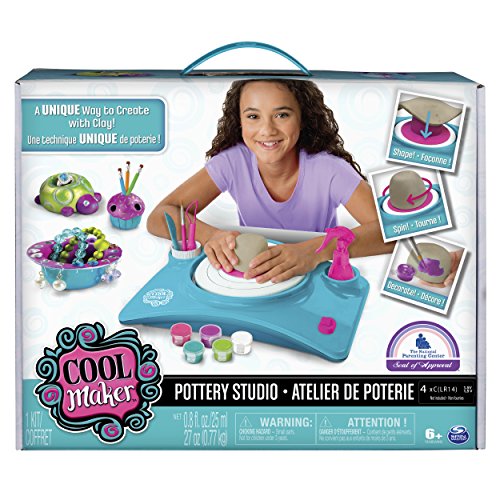
I want one of these! What a fun birthday gift for the 6+ crew! It would surely be a hit and inspire hours of creativity. I just love that it brings something that is somewhat unique to the home for easy access rather than needing to go to an art studio or paint-your-own-pottery studio!

These play dough tools are always in my therapy bag. They are so great for working on hand and finger strength. They also help children develop motor planning skills. I have worked with a number of children who struggle to figure out how it works so the problem solving and recruiting the correct amount of strength to extrude the dough is half the fun. Then using the dough for open-ended play can lend itself to opportunities to work on language, turn-taking, setting up a pretend restaurant, or making a person out of play dough!
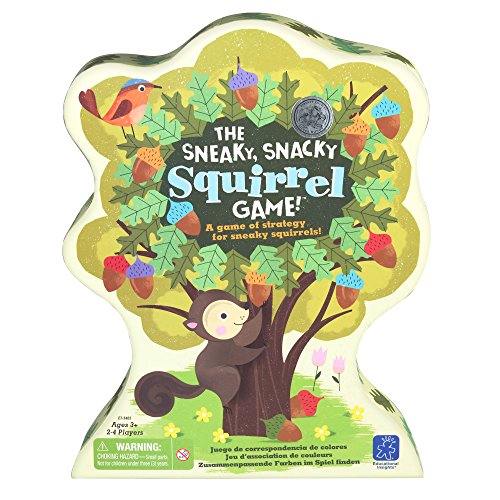
Sneaky Snacky Squirrel is a favorite game to play with kiddos learning their colors and working on hand strength. You use the squirrel to pick up the acorns and place them on your tree stump. This also requires proprioception to know just how hard or gently you need to place the acorn in the hole. Some children might try to shove it in, others just place it on the tree stump and it rolls off. That skill carries over to so many tasks we do daily! This is a fun way to practice it!
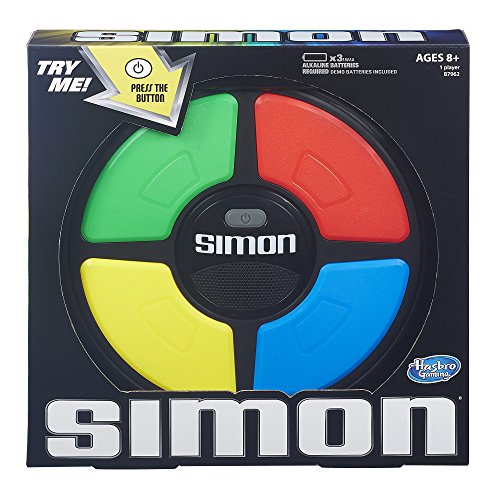
Simon is another favorite game for the older crowd. This works on visual memory and the difficulty increases as you get more correct. I played this as a child and loved it! This also helps children with their visual memory so they can remember sequences and retrieve it quickly.

Rush Hour is a super fun game that also helps with visual discrimination and taps into a child’s ability to use logic to figure out the traffic jam. Great for the 8+ crowd and their parents!

Pattern Play is a favorite! Thanks to my friend Mary, over at www.childrenslitlove.com she introduced us to this game! The blocks are beautiful and this game is perfect for developing motor planning and problem solving skills as well as visual discrimination. They are also beautiful blocks just for stacking and building if the designs feel too complicated for your child. This is great for the 5+ crowd, although some children a bit younger with strong visual skills might be able to do some of the designs as well!
Here are some of my favorites for more gross motor activities and Spooner Boards are at the top of my list! These are light weight and so fun for kids to stand on and balance, sit and work on weight shifting, lay on or even use as a tunnel for their toys when it is inverted! This is a hit for so many age groups as well!


There are so many great swings on the market at reasonable prices! I love this one because a child can lay on it, stand on it and practice moving the swing side-to-side, or multiple children can sit on it and work together to move it fast or slow. What a great way to work on language and teamwork skills!

How beautiful are these play silks from Sarah’s Silks? I love this for dramatic play, building forts, capes, making tunnels for crawling under, the options are really endless! This is one of those “toys” that you would have forever to pass on to generations!
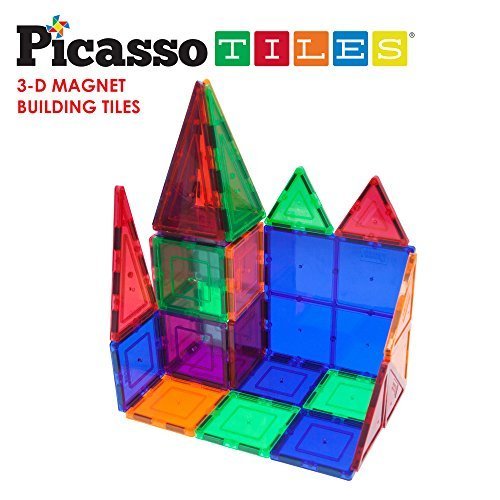
Magnetic Tiles are an absolute favorite in my house! My kids have loved these for years now. From as young at 18 months to as old as 10 or 12, children love these and can do so many things with them! They are great for problem solving, open-ended play, and imaginative play.

Mini Squigz are so much fun for building, playing in the bathtub, even on an airplane ride! They can be used for color sorting and simple math too!

















Parent Teacher conferences are coming up. Here are some tips for a collaborative, strengths-based conversation